
Chapter 36 - Degree of publicness
The ‘Lijnbaan’ is a shopping line in the centre of Rotterdam. This area where the ‘Lijnbaan’ is located happens to be a dense, and busy place with a large variety of activities to do as well as housing within the area. Therefore, the degree of publicness for the residents within the area is high as most of the action occurs here. This is shown by the broad paths, sidewalks, and the crowd count within the area of the Lijnbaan.
Chapter 55 - Raised side walk
This picture was taken at the back entrance from the Markthal, Rotterdam. The ’Markthal’ is a popular place within Rotterdam gaining the interest of many tourists, people who live within the building, and people going in/ out of the city and more with this road leading to a parking garage, all in all, this area is a very busy place most time of the day. Being in a big city as a pedestrian can make you feel unsafe with all those vehicles around you. According to ’A Pattern Language’ one of the factors a sidewalk needs to be raised by 45cm for perfect pedestrian satisfaction. Although this sidewalk is not 45cm it is lifted a good amount for pedestrians to feel safer when walking in this area.


Looking at the left side of the ’Markthal’ another aspect of ’A Pattern Language’ is displayed. This was; by creating a road on one side and a sidewalk with a long width on the other side, it creates a feeling of safeness and comfortableness for pedestrians due to the sidewalks not being narrow and getting the feeling of being pushed or falling of it when walking there. As this is a busy place this has a major impact on the walking paths, and safety of pedestrians within the city which is something ranked highly in Dutch traffic laws (pedestrians' safety).
Chapter 106 - Positive outdoor space
Gat van den Kleinen Hil
This place is in Noord-Brabant, Netherlands within a nature reserve. This place contains an attraction for people to go on a boat tour through the area, as well as visiting a museum about the history of the area. Therefore, a museum needed to be built here. By invading mother nature, the architect and government decided positive green space needed to be included within this plan to affect the area as little as possible. As shown in the picture on the left greenery was used in a positive way on the roof top (which contains an incline to the ground floor) creating a positive outdoor space.

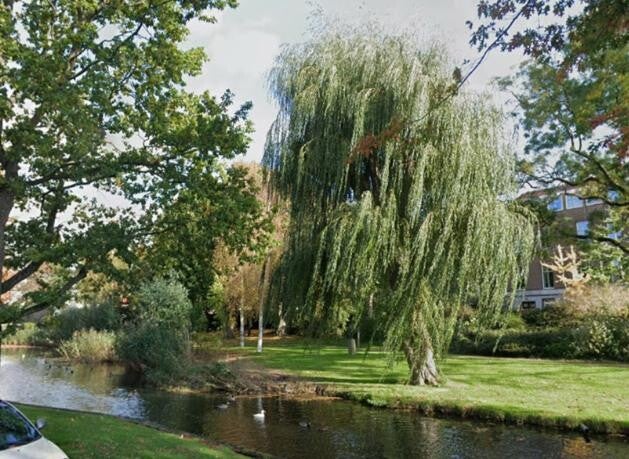
This park located in Moordrecht, Netherlands connected to the ’Schielandstraat’. This is one of the two parks located in this village, but are more than 3 minutes apart from one another, however it does make sure one of these parks is reachable for the villagers without having to walk far to access green spaces, which is positive aspect as everyone needs to be able to access green spaces within this time, otherwise the distance overwhelms the need. This park contains a variety of trees and other plants, park benches and a walking path making it clear where the positive and negative green spaces are within this park.
Chapter 60 - Accessible green
This casino located in Spain is a unique one. This old, historical castle located in an abandoned place in Peralada gained a new life after this castle was turned into a casino with a beautiful garden with a pond and creating greenery on the monumental building, making it a popular place within the region to go to, which is mainly used by adults (18+). By making an accessible green space around this casino lead to more people accessing this space more often due to the beautiful nature around it, as there is not that much accessible green space within a 3-minute walking distance in the area around this location.

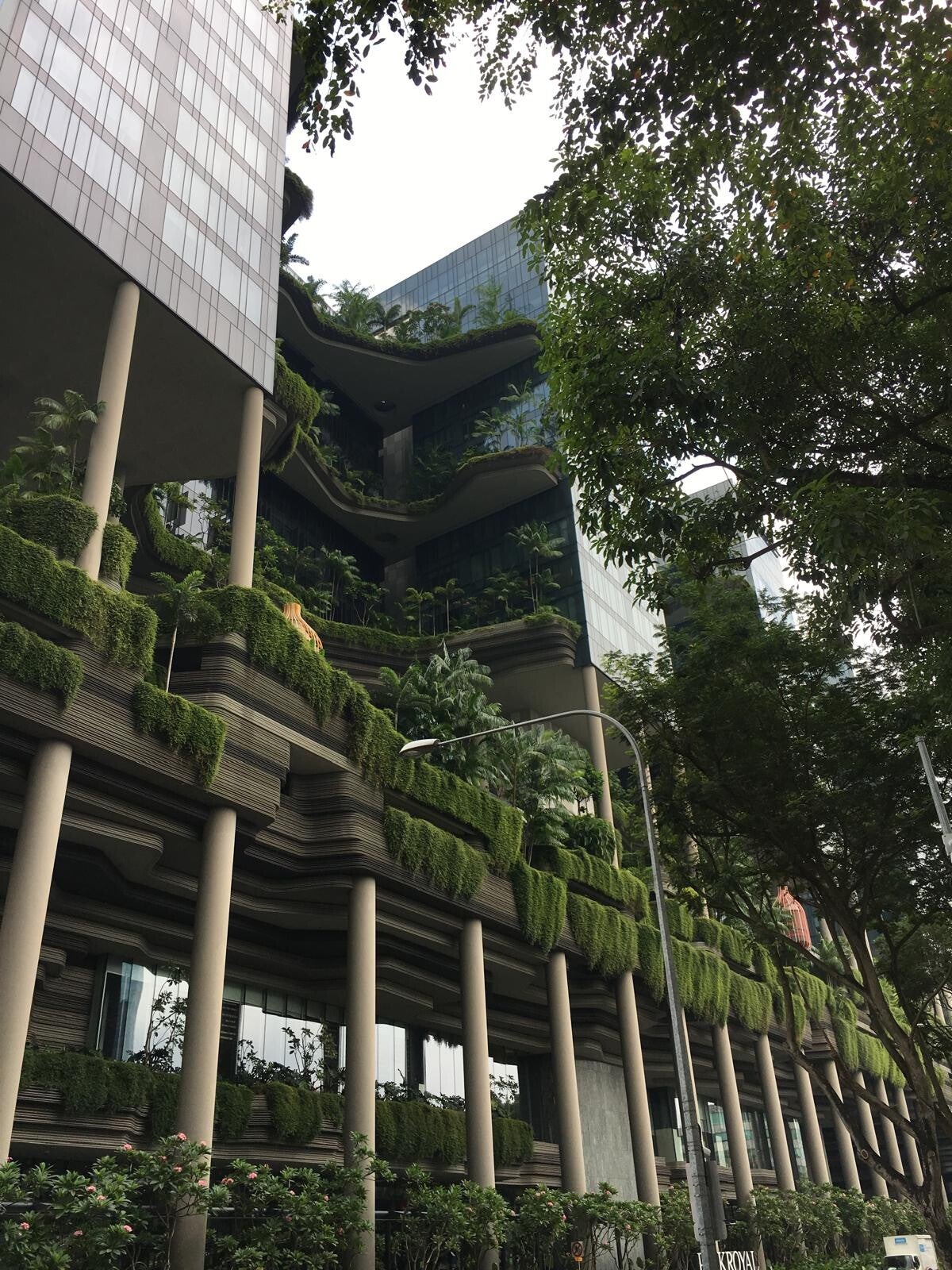
The building is located at the Hong Lim Park in Singapore. This park was the first park built here in 1855. The park has a diameter of 9400m 2 of accessible green and this building is located right next to the park and is used as an office/ hotel. A regulation in Singapore is that the greenery removed from the area a building needs to be places in must contain the same amount of greenery (or more) in the building plans as what went to waste in the first place including balconies and terrasses containing accessible green spaces.
Chapter 62 - High places
High places have 2 functions; to be seen from afar, and to be able to look down upon something creating a nice view as a bonus. Furthermore, such high places need to have a physical climb as people need to work for it to create a full sense of the view according to ‘A Pattern Language’. The Burj Khalifa is an 828m tall building. Although it does have stairs from top to bottom, there aren’t many people who would take those stairs just for the view due to the long journey to the top. However, it is one of the most well-known buildings across the globe due to its height and being a landmark of the skyline and topography of Dubai. (See picture on the left).

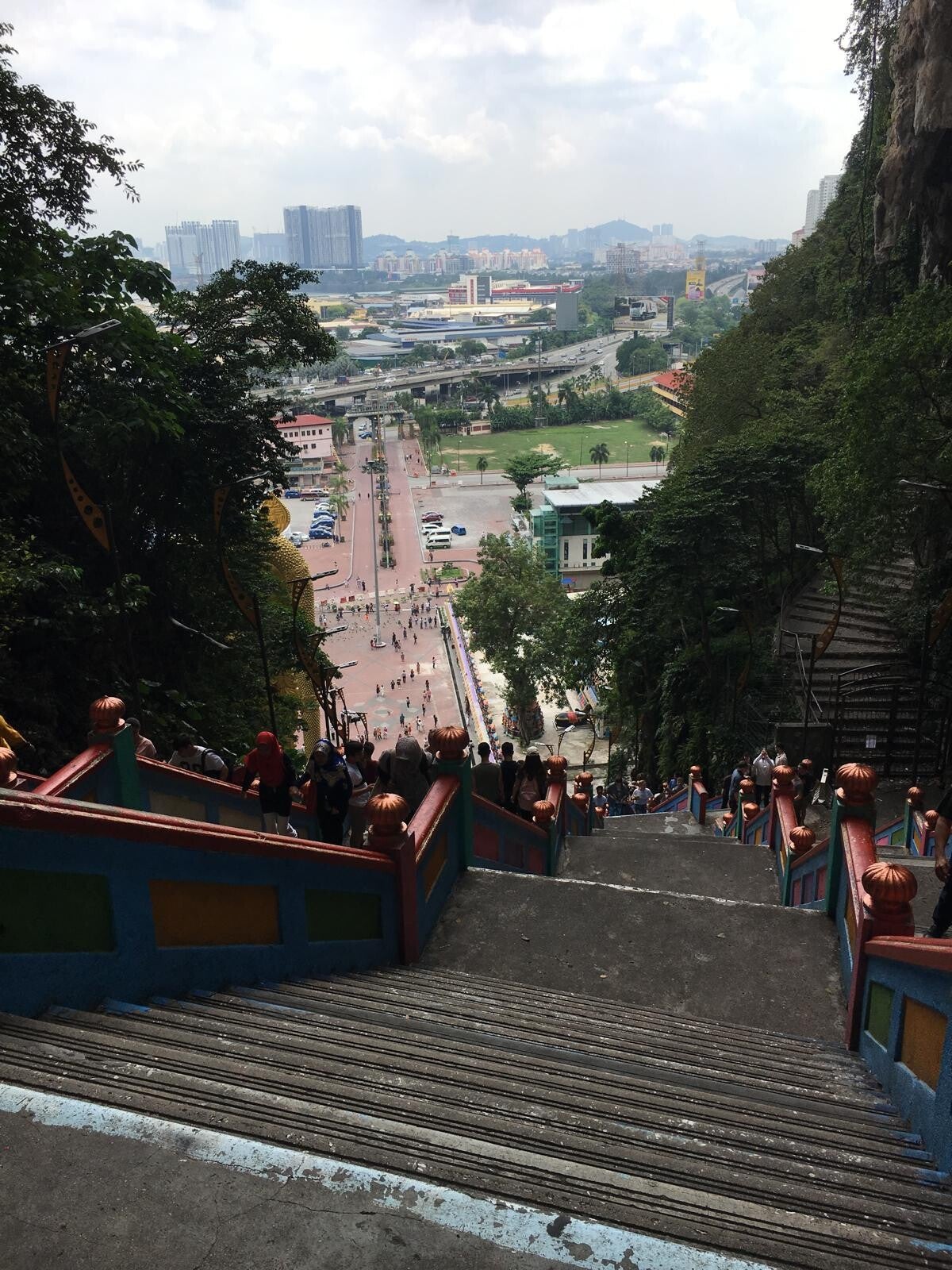
Batu Cave, Kepong
This place in Malaysia contains a steep incline of 272 steps into the Batu cave, when standing at the top creating a good view of the city and roads of Kepong. According to ‘A Pattern Language’ a physical climb is important to make the view more worth it. This is a very popular place for tourism due to the view and experience. Therefore, high places can have a variety of positive impact on a space creating an experience for the people visiting.
Maak jouw eigen website met JouwWeb